Key Takeaways
Key Takeaways
- Primary Catalyst: U.S. jobs data and AI sector rebound
- Session Performance: U.S. stocks mixed, with the S&P 500 down 2.7% and the Dow Jones down 0.9%
- Macro Environment: Broader index performance and sector context
Financial Snapshot Table
| Metric | Detail |
|---|---|
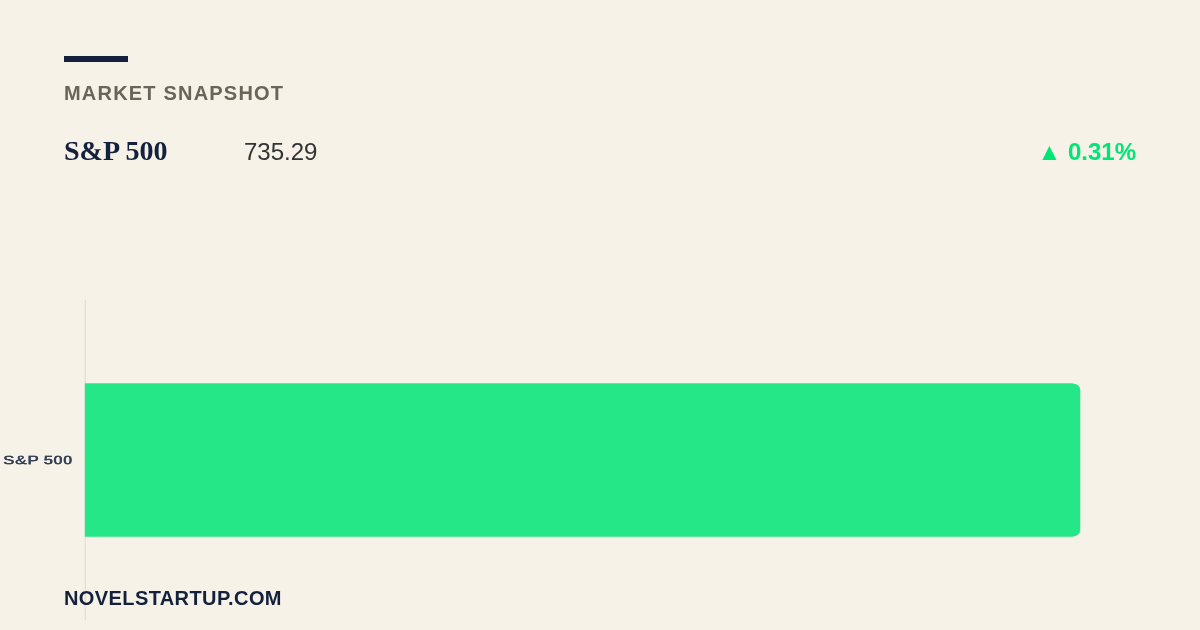
| Asset / Ticker | S&P 500 |
| Current Price | [$7,377] |
| Session Movement | [-2.7%] |
| Category | U.S. Stock Market |
The Catalyst Driving Today’s Movement
The U.S. stock market ended mixed on Friday, with the S&P 500 down 2.7% and the Dow Jones down 0.9%, as investors digested the latest jobs data and the AI sector’s muted rebound. The strong jobs report, which showed a 165,000 increase in nonfarm payrolls, has raised concerns about the Federal Reserve’s next policy decision, with a 77.1% probability of a 25-basis-point interest rate hike in December. The AI sector, which has been a major driver of the market’s recent volatility, saw a modest rebound, but it was not enough to offset the broader market’s losses.
Financial Fundamentals & Filings
The strong jobs report has solidified the case for another rate hike in December, with the CME FedWatch Tool indicating a 77.1% probability of a 25-basis-point increase. The jobs report also showed a 165,000 increase in nonfarm payrolls, more than doubling the market’s expectations. However, the report also showed a tick down in the U.S. ISM Services growth, with new order growth slowing. The probability of a rate hike has increased, and the market is now pricing in a higher likelihood of a 25-basis-point increase in December.
Market Anchors & Sector Sentiment
The tech-heavy Nasdaq Composite entered correction territory on Thursday, and the Dow Jones declined so much that day it erased all gains from the post-midterms rally. All three averages had their worst one-day losses since April 2025. The sector rotation has been significant, with semiconductors and software being among the most problematic sectors, with giants such as Micron Technology, Dell Technologies, Lam Research, Intel, and Advanced Micro Devices losing as much as 25% this week.
Volume Dynamics & Volatility
The CBOE Volatility Index (VIX) has surged 32% to 25.64, indicating a significant increase in market volatility. The S&P 500 Sectors have seen a significant rotation, with Consumer Staples and Utilities being the only two sectors to show a gain, while the Information Technology sector has seen a significant decline of 6.9%. The global food prices have eased on cheaper grains, dairy, and meat, but the energy sector has seen a significant decline of 11.9%.
Macro Environment
The broader index performance has been significant, with the S&P 500 down 2.7% and the Dow Jones down 0.9%. The Nasdaq Composite has entered correction territory, and the Dow Jones has declined so much that day it erased all gains from the post-midterms rally. The market is now pricing in a higher likelihood of a 25-basis-point increase in December, and the sector rotation has been significant.
FAQ
What was the primary catalyst for today's market movement?
The primary catalyst was the U.S. jobs data and the AI sector's muted rebound.
What was the session performance of the U.S. stock market?
The U.S. stock market ended mixed, with the S&P 500 down 2.7% and the Dow Jones down 0.9%.
What is the current probability of a 25-basis-point interest rate hike in December?
The CME FedWatch Tool indicates a 77.1% probability of a 25-basis-point increase.
What is the current sector rotation in the market?
The sector rotation has been significant, with semiconductors and software being among the most problematic sectors.
What is the current level of market volatility?
The CBOE Volatility Index (VIX) has surged 32% to 25.64, indicating a significant increase in market volatility.
The content on NovelStartup is for informational purposes only and does not constitute professional financial advice. Consult a certified financial advisor before making any major financial decisions.