Key Takeaways
- Primary Catalyst: Nvidia CEO Jensen Huang’s resignation and leadership uncertainty
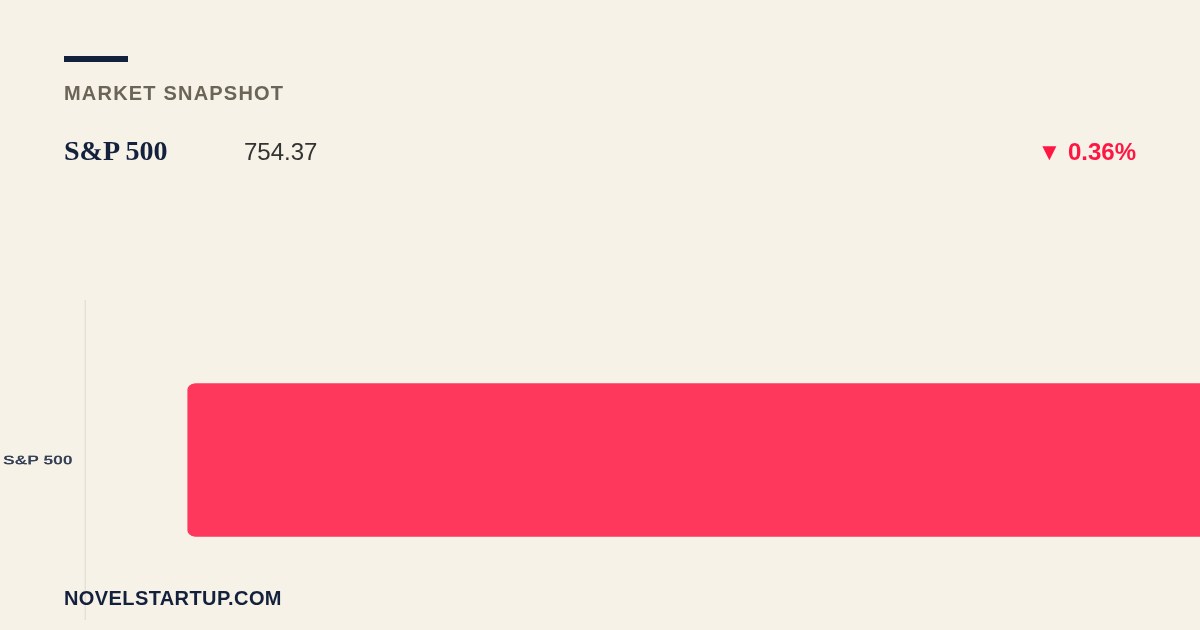
- Session Performance: S&P 500 lost 0.40%, Nasdaq Composite lost 0.91%, Dow Jones Industrial Average rose 0.10%
- Macro Environment: Major indexes recorded weekly gains despite recent volatility, inflation concerns persist
| Metric | Detail |
|---|---|
| S&P 500 | 7,561.67 |
| Session Movement | [-0.40%] |
| Category | US Equities |
| Nasdaq Composite | 25,136.27 |
| Session Movement | [-0.91%] |
| Category | US Equities |
| Dow Jones Industrial Average | 52,347.55 |
| Session Movement | [0.10%] |
| Category | US Equities |
The Catalyst Driving Today’s Movement
Nvidia’s shares fell 2% and recorded their sixth straight week of declines, their longest streak since October 2012, after CEO Jensen Huang’s resignation on Thursday. He stepped down after revelations of extramarital affairs, including a relationship with a businesswoman suspected by the US of spying for China. The uncertainty about leadership at the chipmaker has raised concerns about the durability of the AI trade, given Nvidia’s primary role in the industry’s boom and its financial ties to a host of companies in the sector, which has been a pillar of the bull market in equities.
Financial Fundamentals & Filings
Nvidia’s recent volatility comes ahead of AI company Anthropic’s much-anticipated IPO next week, which could test investor appetite for established AI heavyweights as money potentially shifts toward the new entrant. Despite the recent losses, the major indexes recorded weekly gains, as the Nasdaq and S&P 500 both snapped a four-week streak of declines. For the week, the S&P 500 gained 2.51%, the Nasdaq rose 2.27%, and the Dow climbed 2.07%. The S&P 500 technology index shed 1.7% and was the worst-performing of the 11 major S&P sectors. But Microsoft ended 0.2% higher, as it erased earlier declines after a global outage that included its Outlook and Teams products began to ease.
Market Anchors & Sector Sentiment
The sentiment for additional rate hikes was echoed by more Fed officials on Friday, including San Francisco Federal Reserve President Mary Daly, who said her “bias” is that the central bank will need to increase its policy rate, while Boston Federal Reserve President Susan Collins said tighter monetary policy is coming because of high inflation. The data kept expectations for a rate hike of at least 25 basis points at the Fed’s December meeting completely locked in, with markets pricing in a roughly 10% chance for an outsized 50-basis-point increase, according to CME FedWatch. Declining issues outnumbered advancers by a 1.28-to-1 ratio on the New York Stock Exchange and by a 1.61-to-1 ratio on the Nasdaq.
Volume Dynamics & Volatility
The S&P 500 posted 9 new 52-week highs and 1 new low, while the Nasdaq Composite recorded 37 new highs and 340 new lows. Despite the recent volatility, the major indexes recorded weekly gains, as the Nasdaq and S&P 500 both snapped a four-week streak of declines. For the week, the S&P 500 gained 2.51%, the Nasdaq rose 2.27%, and the Dow climbed 2.07%. The S&P 500 technology index shed 1.7% and was the worst-performing of the 11 major S&P sectors. But Microsoft ended 0.2% higher, as it erased earlier declines after a global outage that included its Outlook and Teams products began to ease.
Macro Context
The major indexes recorded weekly gains despite recent volatility, with the S&P 500 gaining 2.51%, the Nasdaq rising 2.27%, and the Dow climbing 2.07%. However, the inflation concerns persist, with the Labor Department saying US producer prices were slightly cooler than expected in October, but still shot up 6.5% year over year, the largest annual gain since November 2022. The data kept expectations for a rate hike of at least 25 basis points at the Fed’s December meeting completely locked in, with markets pricing in a roughly 10% chance for an outsized 50-basis-point increase, according to CME FedWatch.
Conclusion
The recent volatility in the market is a result of the uncertainty about leadership at Nvidia, the primary driver of the AI trade. The inflation concerns persist, with the Labor Department saying US producer prices were slightly cooler than expected in October, but still shot up 6.5% year over year, the largest annual gain since November 2022. The data kept expectations for a rate hike of at least 25 basis points at the Fed’s December meeting completely locked in, with markets pricing in a roughly 10% chance for an outsized 50-basis-point increase, according to CME FedWatch.
FAQ
What is the primary catalyst driving today's market movement?
Nvidia CEO Jensen Huang's resignation and leadership uncertainty.
How did the major indexes perform for the week?
The S&P 500 gained 2.51%, the Nasdaq rose 2.27%, and the Dow climbed 2.07%.
What is the current inflation rate?
US producer prices were slightly cooler than expected in October, but still shot up 6.5% year over year, the largest annual gain since November 2022.
The content on NovelStartup is for informational purposes only and does not constitute professional financial advice. Consult a certified financial advisor before making any major financial decisions.